plumbers
Water Heater Replacement Cost in Tennessee: Hard Water, Real Prices, and Smart Upgrades
Water heater replacement cost in Tennessee runs $1,000 to $2,100 in 2026. See how hard water shortens tank life, city prices, and upgrade economics.
In This Article
- What the Minerals Are Doing In There
- The 2026 Numbers Across Tennessee
- Electric Country, With Gas in the Cities
- City by City Pricing
- Tankless and Heat Pump Upgrades, With One Local Caveat
- Reading Quotes and Timing the Job
- Fixing the Water Instead of the Tank
- When Repair Still Wins
- Tennessee Water Heater Questions
Water Heater Replacement Cost in Tennessee: Hard Water, Real Prices, and Smart Upgrades
Tennessee water is hard on water heaters, and Middle Tennessee water is the hardest of all. The limestone under Nashville, Murfreesboro, and Franklin loads the water with minerals that settle into tanks as sediment, and a heater that never gets flushed in Davidson County can lose years off its life and efficiency along the way.
That background matters because it decides when you pay the bill, not just how much. Water heater replacement cost in Tennessee runs $1,000 to $2,100 installed for a standard tank in 2026, with tankless conversions at $2,600 to $5,300 and heat pump water heaters at $1,900 to $3,600 before incentives.
Homeowners on the Cumberland Plateau's softer water often get 12 years from a tank. Homeowners on Nashville limestone sometimes get 8. Same tank, different water, and the difference shows up as a surprise invoice in the middle of winter unless you plan for it.
What the Minerals Are Doing In There
Sediment builds a layer across the bottom of a tank, and in hard water areas it builds fast. The heating element or burner then has to push heat through that layer, which raises operating cost, causes the rumbling sound older tanks make, and cooks the tank bottom until it fails.
Two habits fight back. An annual flush costs nothing but an hour with a garden hose, and replacing the anode rod around year 5, a $150 to $300 plumber visit, gives corrosion something to eat besides your tank walls.
If your household skips both, budget for the short end of the lifespan range. Plenty of Middle Tennessee plumbers can date a neglected tank within a year or two just from the sound it makes.
The 2026 Numbers Across Tennessee
A standard 40 or 50 gallon replacement lands between $1,000 and $2,100 installed across most of the state. The unit accounts for $450 to $1,000 of that, labor for $350 to $800, and code items such as expansion tanks, pans, and proper venting for the rest.
Tankless systems run $2,600 to $5,300 installed, and heat pump water heaters run $1,900 to $3,600 with federal credits and occasional utility incentives available to trim the net. Emergency and weekend work adds $150 to $450 anywhere in the state.
Permits generally cost $50 to $125, and Tennessee expects this work to be done by licensed plumbing professionals. Both the permit and the license number belong on the paperwork you keep.
Electric Country, With Gas in the Cities
Tennessee runs on TVA power, and decades of cheap electricity made electric tanks the default across most of the state. That is good news at replacement time, since electric swaps are the simplest and cheapest version of this job.
Natural gas heaters cluster in the older cores of Nashville, Memphis, Knoxville, and Chattanooga. Gas swaps add flue and venting work, typically $150 to $400 over an equivalent electric job, and they pay it back through faster recovery and lower operating cost where gas rates are favorable.
Rural households on propane pay the most per hot shower, which makes them the best candidates in the state for a heat pump conversion. Trading a propane tank for a heat pump unit often cuts water heating cost by more than half.
Clarksville and the fast-growing Nashville exurbs deserve their own note. Subdivision waves built through the mid-2010s are hitting first-replacement age together, so fall scheduling there fills earlier than in the rest of the state.
City by City Pricing
Nashville sets the state's ceiling. Rapid growth keeps plumbing labor busy, and typical tank swaps in Davidson, Williamson, and Rutherford counties run $1,300 to $2,100, with Williamson County jobs pushing higher in large homes with recirculation lines.
Memphis, Knoxville, and Chattanooga cluster near the state average, generally $1,100 to $1,800 for routine work. Rural West and East Tennessee price lowest, commonly $1,000 to $1,500, plus a trip charge at the edges of a company's territory.
The spread between quotes inside one city routinely beats the spread between cities. Three itemized bids on identical scope is the play, and our Tennessee plumber directory shortens the list-building step considerably.
Tankless and Heat Pump Upgrades, With One Local Caveat
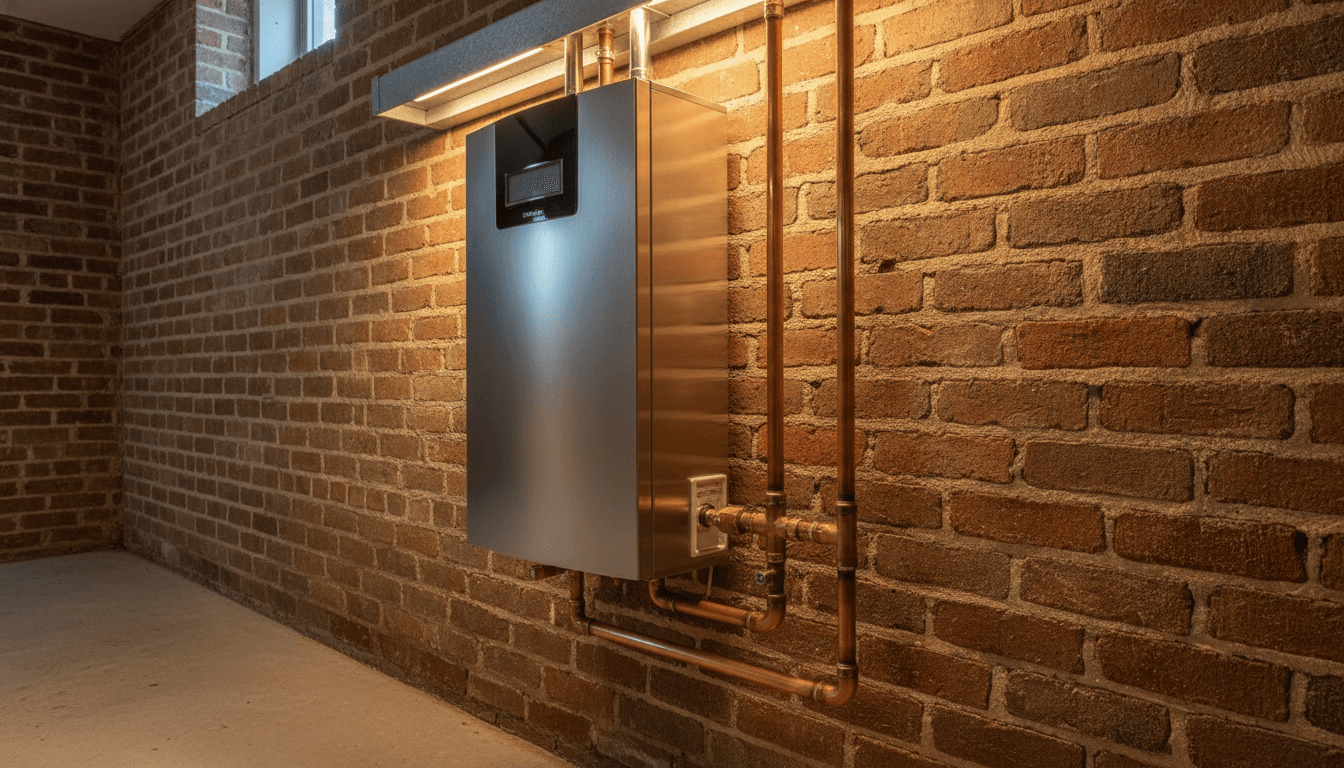
Tankless units earn their price in gas-served homes with heavy hot water use, and they last about 20 years against 10 or so for a tank. The Tennessee caveat is maintenance: hard water scales up tankless heat exchangers, so Middle Tennessee installs need annual descaling, about $150 to $250, or a water softener upstream.
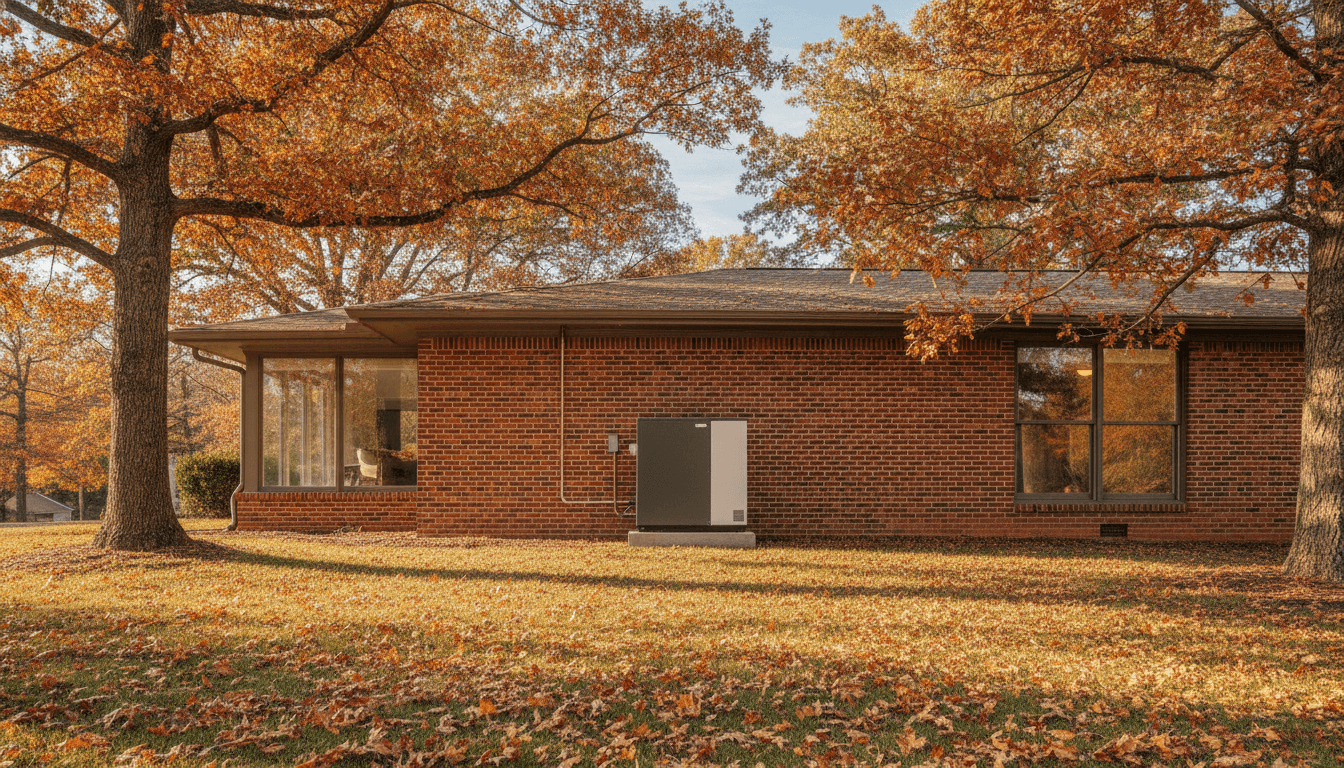
Heat pump water heaters fit Tennessee garages and basements well, and they are the strongest economics in the state for all-electric homes. They pull heat from surrounding air, cut electric water heating use by 60 percent or more, and qualify for federal tax credits that standard tanks do not.
Skip the upgrade math entirely if the household is small and the current setup works. A $1,200 like-for-like swap that runs nine trouble-free years is a good outcome, and it is the right answer for plenty of homes.
Reading Quotes and Timing the Job
Every complete Tennessee quote names the unit model and warranty, itemizes code work, includes haul-away and the permit, and states the labor warranty. Missing pieces are how a $1,150 phone quote becomes a $1,700 invoice.
Timing is the free discount. A tank past year 8 in hard water territory, or past 10 elsewhere, that shows rusty water, moisture, or that familiar rumble should be replaced by appointment, on a weekday, before it fails at 6 a.m. on a January Sunday.
Winter is the failure season because cold inlet water makes tired tanks work hardest. Fall replacement of a suspect unit is the cheapest version of this entire story. Our home services blog has more Tennessee cost guides when the next system on the list starts making noises of its own.
Fixing the Water Instead of the Tank
A water softener changes the Tennessee math at the source. At $1,500 to $3,500 installed, it strips minerals before they reach the tank, and on Middle Tennessee limestone it can stretch a water heater's life by years while protecting fixtures and appliances along the way.
The payback case is strongest for households planning to stay put. A softener shields the water heater, dishwasher, washing machine, and every faucet at once, which is why Nashville-area plumbers quote them alongside replacements so often.
Salt-based systems need bags of salt every month or two and a drain connection, while salt-free conditioners cost less to run but manage scale rather than remove hardness. For heavy limestone water, the salt-based version is the one that moves the lifespan needle.
Renters and short-horizon owners can skip the debate. For them, the annual flush and a 120 degree setting capture most of the available benefit at no capital cost.
When Repair Still Wins
Not every cold shower means replacement. Electric tanks under 8 years old with a failed element or thermostat repair for $150 to $400, and gas units with a bad thermocouple often come back to life for less than $250.
The relief valve is another honest repair at $100 to $250 when it drips from age rather than pressure. A plumber can tell the difference in minutes, and the distinction matters because over-pressure points at a missing expansion tank instead.
Draw the line at the tank body. Corrosion leaks, chronic rusty water, and heavy sediment rumble on a unit past year 8 in hard-water territory are replacement signals, and money spent repairing around them tends to get spent twice.
Whoever handles a repair, ask for the tank's manufacture date read off the serial plate while they are there. Knowing the true age turns the next decision from guesswork into arithmetic, and plumbers decode those plates every day.
Tennessee Water Heater Questions
How much does a water heater cost installed in Nashville?
Nashville-area tank swaps generally run $1,300 to $2,100 in 2026, the highest band in the state. Tankless conversions in the metro commonly land between $3,000 and $5,300.
Why do water heaters fail faster in Middle Tennessee?
The region's limestone geology makes the water hard, and mineral sediment shortens tank life while raising operating cost. Annual flushing and a mid-life anode rod replacement claw back most of the difference.
Is a tankless water heater worth it with hard water?
It can be, but only with maintenance. Plan on annual descaling at $150 to $250 or a softener upstream, and the 20-year lifespan math still works in gas-served homes with high demand.
Do I need a permit to replace a water heater in Tennessee?
In nearly all jurisdictions yes, typically $50 to $125, pulled by the licensed plumber doing the work. Keep the inspection record, since unpermitted mechanical work surfaces during home sales.
What size water heater should a Tennessee family buy?
Two people do fine with 40 gallons, families of three or four want 50, and larger households should price 75 gallon or tankless options. Chronic cold showers are a sizing signal, and replacement day is the cheap moment to act on it.